
How to Choose the Right Interior Designer for Your Home
A practical framework for evaluating interior designers, clarifying scope, and beginning a residential project with more confidence.
3 January 2026
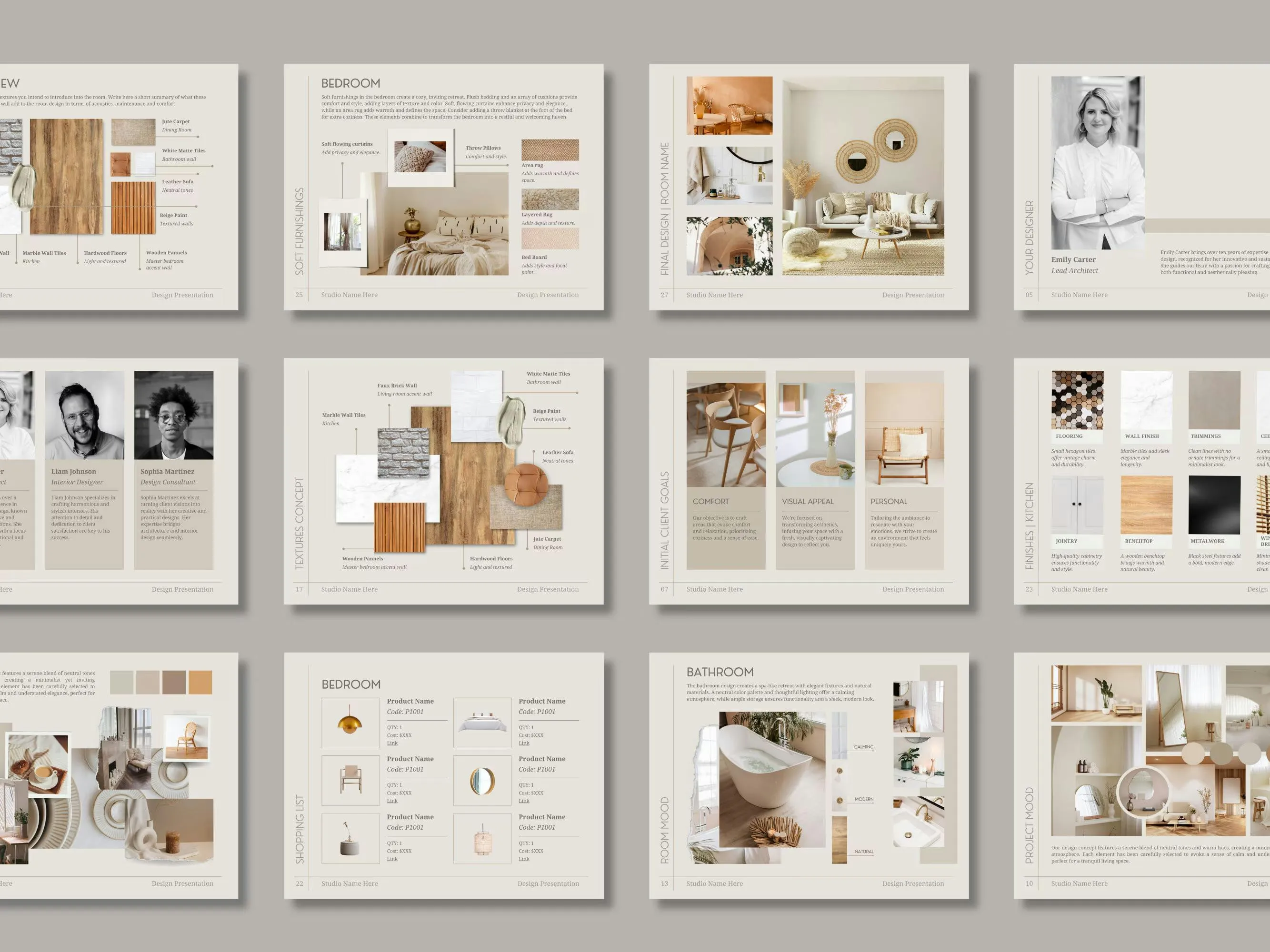
Choosing an interior designer is rarely only about taste. The better question is whether the studio can interpret your brief clearly, make decisions with discipline, and guide the project toward a finished result that feels consistent.
Start with the kind of help you actually need
Some clients need design direction only. Others need support with furniture, materials, detailing, and execution. If you do not define that early, comparisons between designers become misleading because each proposal may be solving a different problem.
Before you begin conversations, write down:
- the property type and location
- the rooms or areas involved
- whether the project is design-only or needs turnkey support
- the timeline you are working toward
- the level of custom furniture or fitted work you expect
That short list makes the first discussion far more productive.
Look for relevance, not just visual variety
A broad portfolio can be impressive, but relevance matters more. If you are planning a luxury apartment, a compact flat, or a commercial fit-out, the designer should show an understanding of spaces with similar pressures.
Look for evidence of:
- planning discipline
- material control
- furniture and storage logic
- a consistent design point of view
Strong work does not need to be loud. Often, the most convincing projects are the ones where the decisions feel calm and resolved.
Ask about process early
Good design outcomes are usually connected to a clear process. Ask how the designer approaches briefing, layout refinement, material selection, furniture integration, and execution coordination.
You do not need a performance. You need clarity. A thoughtful answer usually tells you more than a dramatic presentation.
Pay attention to communication style
Interior projects involve many choices, and clients often discover new priorities once the work starts. That makes communication style important. If the studio listens well, explains trade-offs clearly, and keeps the conversation grounded in the brief, the project tends to move more smoothly.
This is especially valuable in multi-stage residential work, where the design, the furniture, and the site decisions need to stay aligned.
Compare value, not only fees
The lowest fee does not necessarily reduce project risk. A designer who thinks carefully, documents decisions properly, and coordinates execution well can protect the budget in ways that are not visible in the first quote.
If you are comparing proposals, look at what is actually included:
- concept and planning depth
- number of revisions or review rounds
- furniture and joinery scope
- site coordination expectations
- execution involvement
That comparison is often more useful than focusing on one headline number.
Make the first meeting count
If you are preparing to speak with a studio, it helps to gather room measurements, site photos, inspiration references, and your core priorities in advance. That makes it easier to discuss the project in practical terms.
For related reading, you may also find our notes on custom interior solutions for luxurious villas in Delhi NCR and building energy efficiency into your home design useful.
The right interior designer should help bring order to the process, not add confusion to it. That is often the clearest sign you are speaking with the right team.